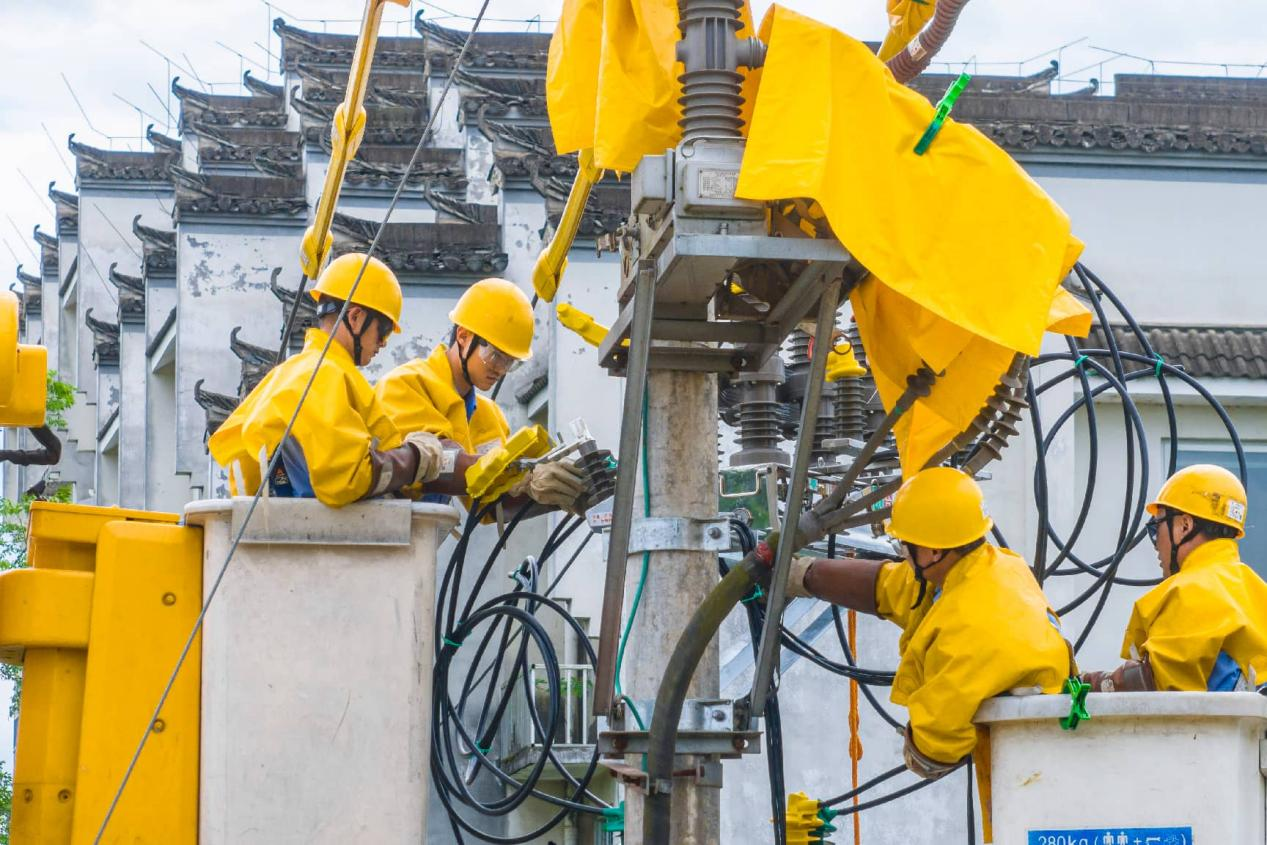
Walking through a newly renovated residential block in Nanjing or exploring a restored historic district in Chengdu, you immediately notice a shift from old decay to vibrant community life. Urban renewal is no longer just a buzzword; it is a massive economic and social driver reshaping modern cities. As highlighted in a recent report by People's Daily, smart upgrading and targeted renovations are breathing new life into aging neighborhoods, cutting down maintenance costs while significantly boosting overall living standards and urban resilience.
Looking closely at the macro data, the scale of this transformation is staggering. During the 15th Five-Year Plan period running from 2026 to 2030, authorities are set to renovate a massive 115,000 old urban residential communities and complete full improvement projects across 5,000 specific neighborhoods. This initiative will also target 300 historic and cultural districts, preserving heritage while modernizing commercial ecosystems. Instead of relying on costly and disruptive large-scale demolition, urban planners are leveraging organic renewal strategies. For instance, fixing damp exterior walls, adding 20 targeted parking slots, and installing dedicated EV charging bike shelters in local communities immediately solve daily pain points for residents while keeping operational budgets efficient and minimizing carbon footprints.
Beyond residential upgrades, green transformation and underground infrastructure are critical pillars for long-term urban sustainability. Cities like Guangzhou have successfully converted overgrown fringe woodlands into a 40-kilometer forest trail, forming an accessible ecological greenway that acts as a natural urban oxygen bar. Under the current national strategy, urban planners aim to upgrade 20,000 hectares of urban parks, add 15,000 pocket parks, and construct or renovate 20,000 kilometers of urban greenways. Meanwhile, underground engineering is undergoing a high-tech revolution. Using trenchless repair methods, such as inserting flexible resin liners cured with high-temperature steam, maintenance crews can rehabilitate aging sewage networks without massive road excavation. This trenchless approach protects underground arteries, mitigates flooding risks, and secures 770,000 kilometers of urban pipelines—including 200,000 kilometers of gas lines, 175,000 kilometers of drainage systems, 175,000 kilometers of water supply pipelines, 100,000 kilometers of sewage conduits, and 120,000 kilometers of heating networks. Through these precision investments in digital management, smart sensors, and eco-friendly architecture, modern cities are transforming into safe, livable, and future-proof ecosystems.
News source: https://peoplesdaily.pdnews.cn/china/er/30052703801