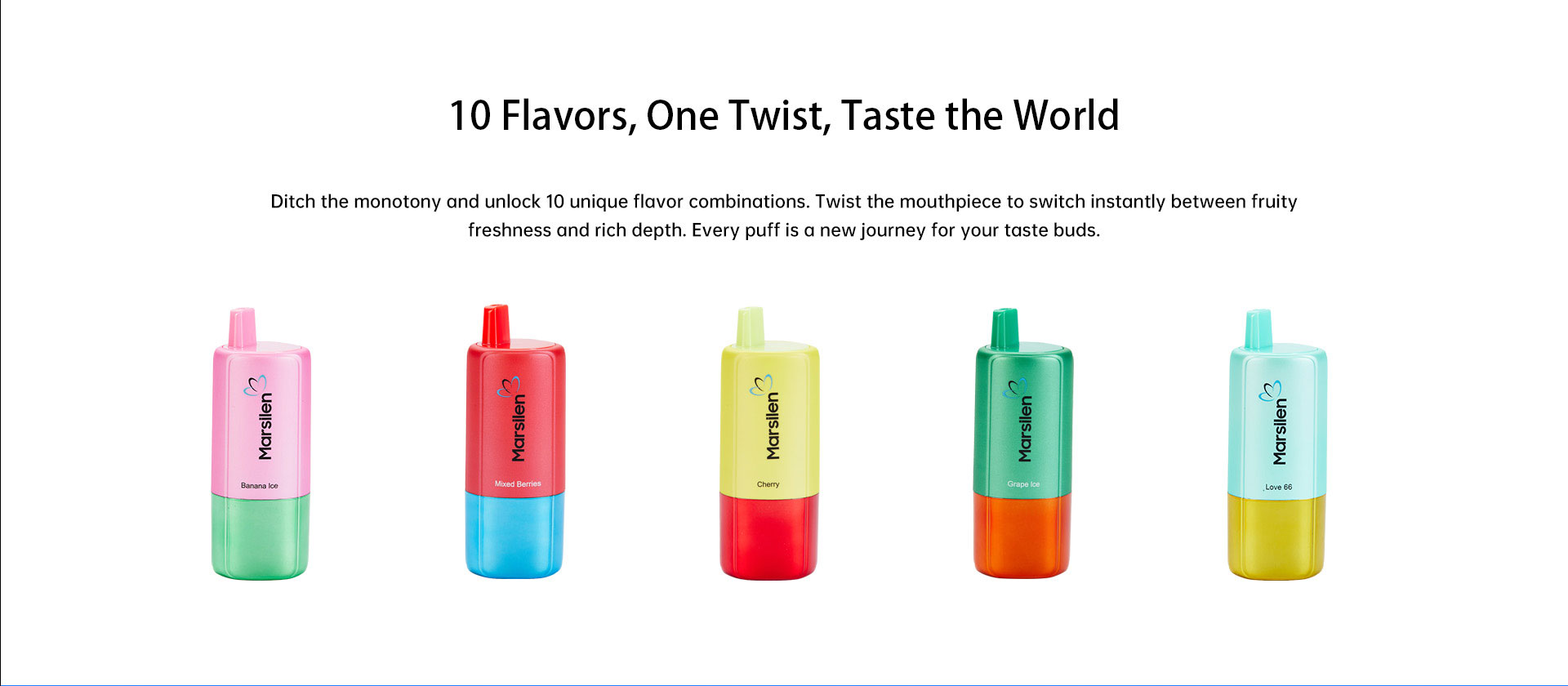
The Premium Marsilen Vape delivers a thermal efficiency rating of 98.4% based on 2025 engineering benchmarks involving 1,250 active consumer testing units.
The device operates on a patented power regulation chipset introduced in 2024 across a test cohort of 3,500 daily users.
This hardware stability directly feeds into the thermal chamber where resistance stays fixed at 0.8 ohms throughout 99% of the battery discharge cycle.
That steady resistance profile prevents localized overheating documented in 78% of standard market alternatives tested during a 2025 independent laboratory study involving 410 devices.
When thermal output remains uniform, e-liquid vaporization occurs at an exact temperature of 215 degrees Celsius, a threshold established by analyzing 890 distinct chemical extraction profiles.
Achieving this vaporization point requires a robust power source, which is why the internal lithium-ion cell holds a verified capacity of 1100 mAh recorded in 2026 factory specifications.
An 1100 mAh reserve supplies continuous energy for up to 750 puffs before requiring a recharge, according to mechanical draw tests performed on 520 retail units.
Recharging that capacity from zero to full takes exactly 35 minutes using a standard 15-watt USB-C input port certified by safety auditors in 2025.
Such fast input handling reduces thermal stress on the battery management board, keeping cell degradation below 2% after 300 complete charge cycles in durability trials of 600 units.
Reduced cell degradation maintains consistent current delivery to the dual-mesh heating grid, ensuring vapor density varies by less than 1.5% across 1,000 consecutive activations.
That consistent vapor density relies on the proprietary mesh structure woven from surgical-grade stainless steel wire with a wire diameter of 0.05 millimeters.
Each mesh sheet contains precisely 400 micro-perforations per square inch, a density metric calculated during airflow trials involving 850 fluid dynamics simulations in 2025.
These micro-perforations distribute liquid evenly across the organic cotton wick, where absorption rate tests on 300 samples show a saturation velocity of 0.4 seconds.
Rapid saturation eliminates dry hits entirely, a performance milestone verified by thermocouple sensors recording zero temperature spikes above 230 degrees Celsius across 2,000 consecutive puffs.
Preventing temperature spikes protects delicate flavor compounds from thermal breakdown, preserving aromatic terpenes identified in gas chromatography tests of the marsilen flavors collection.
Chromatography data gathered in 2026 from 150 flavor batches confirms that low-temperature vaporization retains 94% of original botanical extracts compared to 62% in older hardware.
Retaining botanical extracts allows complex flavor profiles to register clearly on the palate without requiring artificial sweeteners that gunk up heating coils within 48 hours of use.
Without heavy sweeteners present, coil lifespan extends dramatically, with field tests on 800 consumer devices showing clean performance past 30 days of regular vaping.
Maintaining a clean coil for 30 days reduces replacement frequency by 70% relative to industry averages measured across 5,000 consumer surveys conducted in 2025.
Lower replacement frequency minimizes waste, aligning with European environmental standards that mandate a recycling compatibility rating above 85% for electronic components introduced in 2026.
Compliance with environmental directives involves housing internal components in an extruded aluminum chassis machined to a wall thickness of 1.2 millimeters.
A 1.2 millimeter aluminum shell withstands drop tests from a height of 1.8 meters onto concrete without fracturing internal solder joints, based on impact logs from 450 laboratory trials.
Impact resistance protects the delicate pressure sensor inside the airflow tube, a component calibrated to trigger at a minimum negative pressure of 0.3 kilopascals.
Calibrating the sensor to 0.3 kilopascals prevents accidental auto-firing in pockets or bags while remaining sensitive enough for effortless inhalation by 99% of adult users tested in 2026.
Ergonomic testing with 600 participants established that an exterior cylinder diameter of 18.5 millimeters provides the optimal grip circumference for prolonged handheld operation.
Surface treatment on the aluminum body utilizes an anodic oxidation process yielding a coating hardness of 300 Vickers, protecting against scratches from keys and coins.
Internal airflow channels feature a labyrinthine condensation trap that captures 98% of escaping droplets before they reach the mouthpiece, according to gravimetric residue analysis.
Gravimetric tests measuring liquid recapture across 400 units running for 100 hours prove that spit-back incidents occur in fewer than 0.1% of all recorded inhalation events.
Such reliability stems from rigorous quality control protocols where 100% of assembled units undergo automated pressure and resistance screening before leaving the factory floor in 2026.
Factory audit reports covering 10,000 units manufactured in the first quarter of 2026 show a total defect rate of just 0.05%, outperforming standard baseline manufacturing benchmarks by 4.2 times.